As the “Capital of the West," Can Tho feels like the heartbeat of the Mekong Delta and the gateway to authentic river life. For many travelers cruising in Vietnam, Can Tho becomes one of the most bustling tourist hubs along the Mekong.Let’s follow this travel guide to explore what is special about Can Tho, from bustling floating markets to lively waterfronts.
Where Is Can Tho?
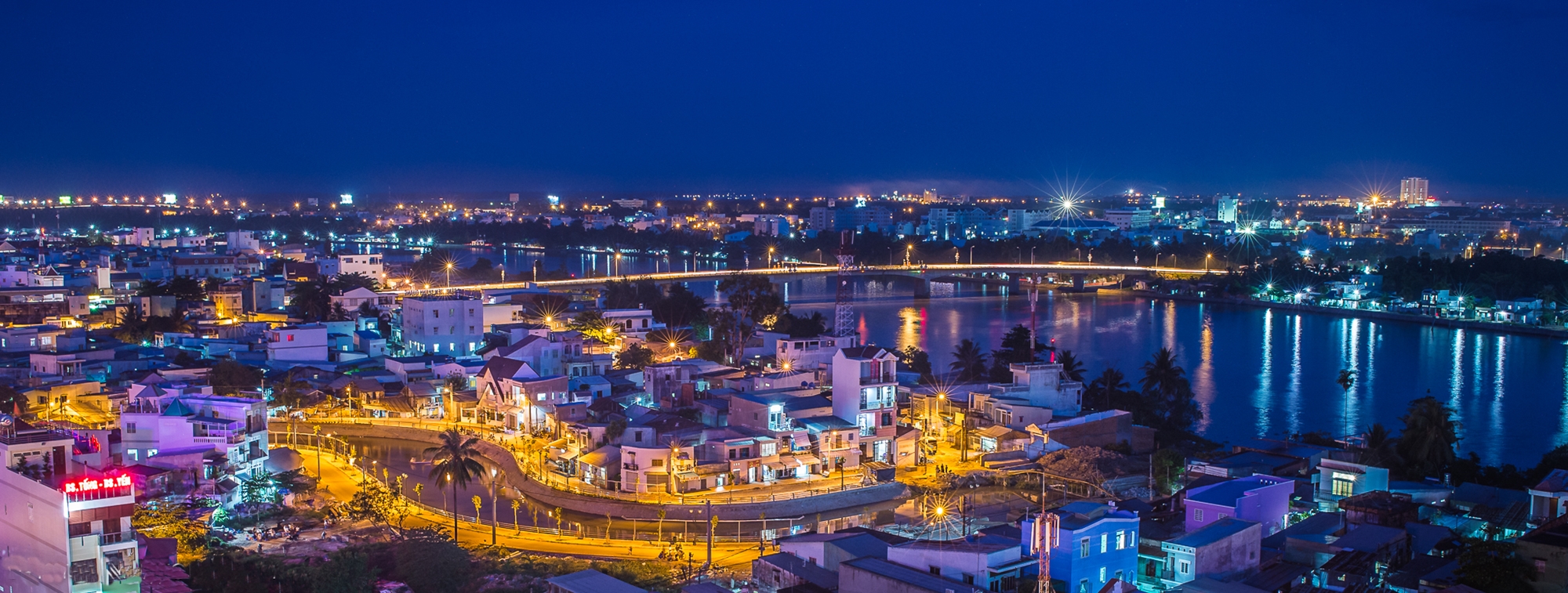
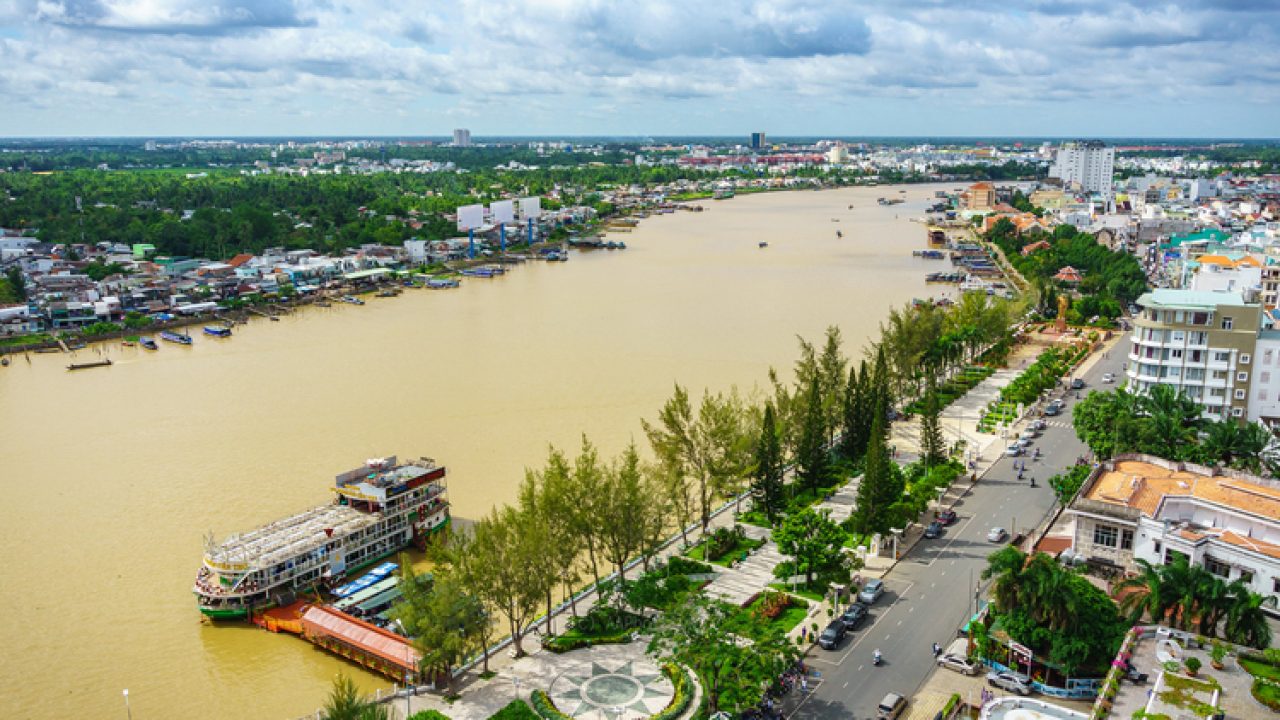
Can Tho sits roughly 170 km southwest of Ho Chi Minh City, right in the heart of the Mekong Delta. Located on the banks of the Hau River, one of the largest branches of the Mekong River, before it reaches the sea. Thanks to its strategic location, status as the largest city in the Mekong Delta, and well-developed economy, Can Tho is widely considered the economic and cultural center of the region. Today, it serves as a major hub for transportation, trade, and daily river life.
With its famous floating market and lively riverside atmosphere around Ninh Kieu Wharf, Can Tho has become one of the most popular and immersive stops on Mekong Delta cruises between Vietnam and Cambodia. Many travelers visit the city as part of multi-day Vietnam River Cruise itineraries, or have it as a starting point before exploring deeper into the delta.
Why Can Tho Is A Highlight of Mekong River Cruises
As the Mekong River winds deeper into southern Vietnam, Can Tho emerges as one of the delta’s most vibrant and atmospheric destinations.
A City Built Around Waterways
Beyond its growing urban center, Can Tho continues to develop alongside an extensive network of rivers and canals that still shape daily life across the Mekong Delta. While modern streets and local businesses expand throughout the city, the waterways remain deeply connected to transportation, trading, and local culture. This balance between a developing metropolis and traditional river infrastructure is what gives Can Tho its unique identity. Once the main trading routes of the region, these river networks continue to define the rhythm and identity of the Mekong Delta today.
The Last Living Floating Market Culture
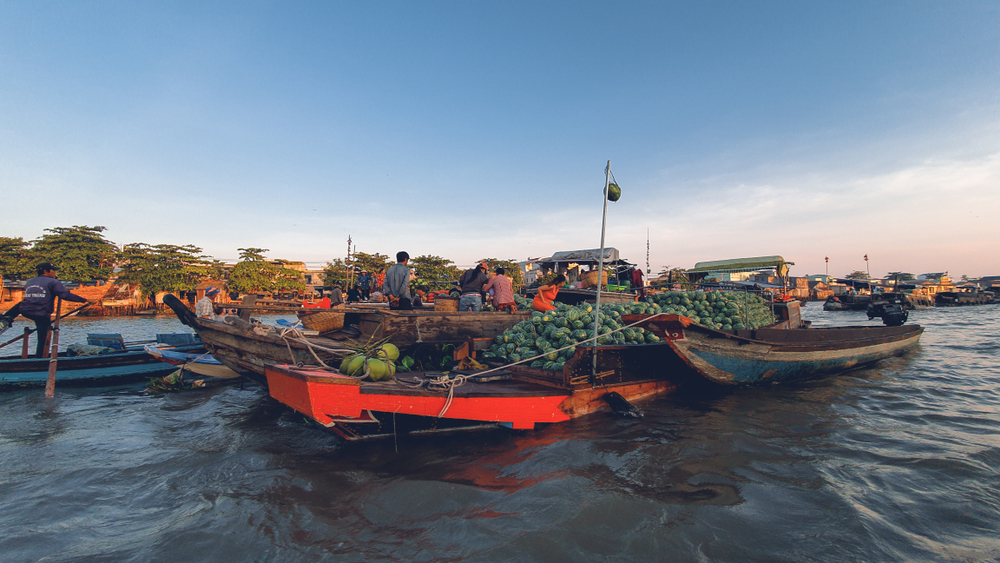
Floating markets once existed throughout the Mekong Delta, but modern roads and changing trade systems have gradually reduced their numbers. Nevertheless, Cai Rang remains the largest surviving wholesale floating market in Southern Vietnam and still preserves much of its original trading culture despite growing tourism.
Before sunrise, farmers and merchants gather on the river to sell fruits, vegetables, and local products directly from their boats. The market becomes busiest at dawn; traders on land arrive to supply local markets across the Mekong Delta. The market runs on a system called “cay beo”, where each boat hangs its goods from a tall bamboo pole so buyers can easily recognize what is being sold from a distance.
A Slower and More Authentic Side of Vietnam
Compared with Vietnam’s fast-moving urban centers, Can Tho offers a slower and more intimate experience, where local encounters, riverside scenery, and traditional delta life remain authentic. What there is instead is a city that simply gets on with being itself: an eco-tourism experience around fruit orchards, riverside gardens, and countryside retreats, allowing travelers to explore the greener and more relaxed side of the Mekong Delta beyond the main waterways.
Things to Do in Can Tho During a Cruise
Arriving in Can Tho by cruise offers a deeper glimpse into the rhythm of Mekong life, where peaceful canals and authentic lifestyles come together.
Visit Cai Rang Floating Market at Sunrise
One of the most memorable experiences in Can Tho is visiting the floating market in the early morning, as the river is filled with trading boats carrying fruits, vegetables, coffee, and local breakfast dishes, creating a lively scene. Cruise excursions often include a sampan ride through the market, allowing travelers to observe traditional river commerce up close and even interact with the locals.
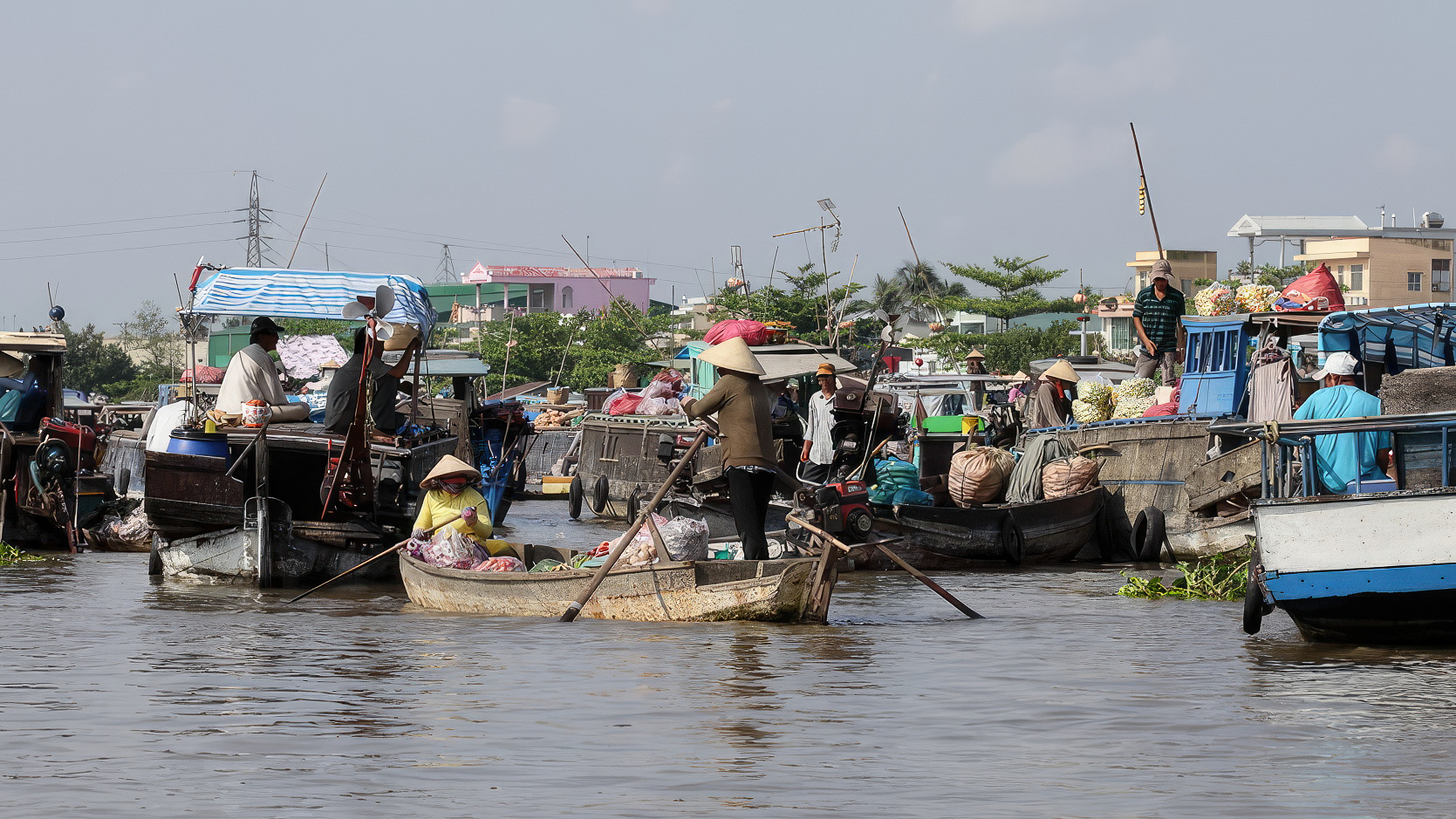
Beyond the market itself, many tours also stop at a local noodle factory, where guests can see how traditional rice noodles are handmade using simple but intricate techniques. The combination of misty morning light, colorful boats, and authentic local activity makes Cai Rang Floating Market one of the most iconic highlights.
Note: It’s also worth noting that today’s floating markets are generally quieter than the crowded scenes often seen in online images, but the experience remains authentic.
Explore Rural Villages & Countryside Landscapes
Beyond the busy waterways, small boat and sampan excursions in narrow canals shaded by nipa palms reveal a quieter and more peaceful side of Can Tho, showing lush green farms, vast coconut groves, and small riverside villages. A unique experience that larger vehicles cannot reach.
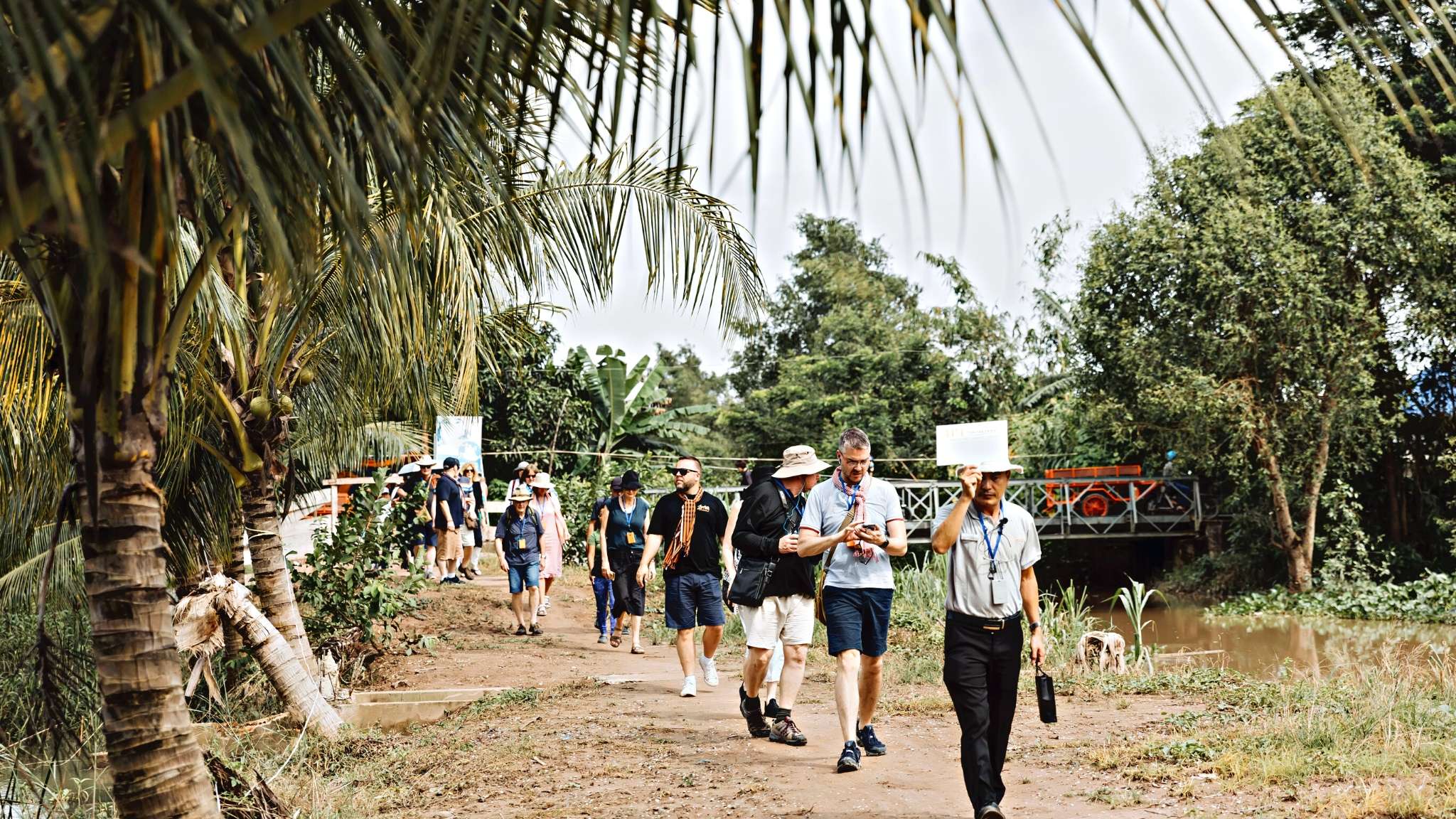
These excursions also create opportunities to interact with hospitable local families, visit traditional homes, and gain a deeper understanding of how their daily life goes on along the river. From children playing to farmers working beside the canals, the experience feels personal, authentic, and deeply connected to the landscape.
Taste Authentic Mekong Cuisine
Food is an essential part of the Mekong River cruises’ experience, with flavors shaped by the river’s fertile lands and abundant fresh ingredients. Southern Vietnamese cuisine is known for its balance of sweet, sour, and savory tastes, often combined with fragrant herbs and tropical produce.
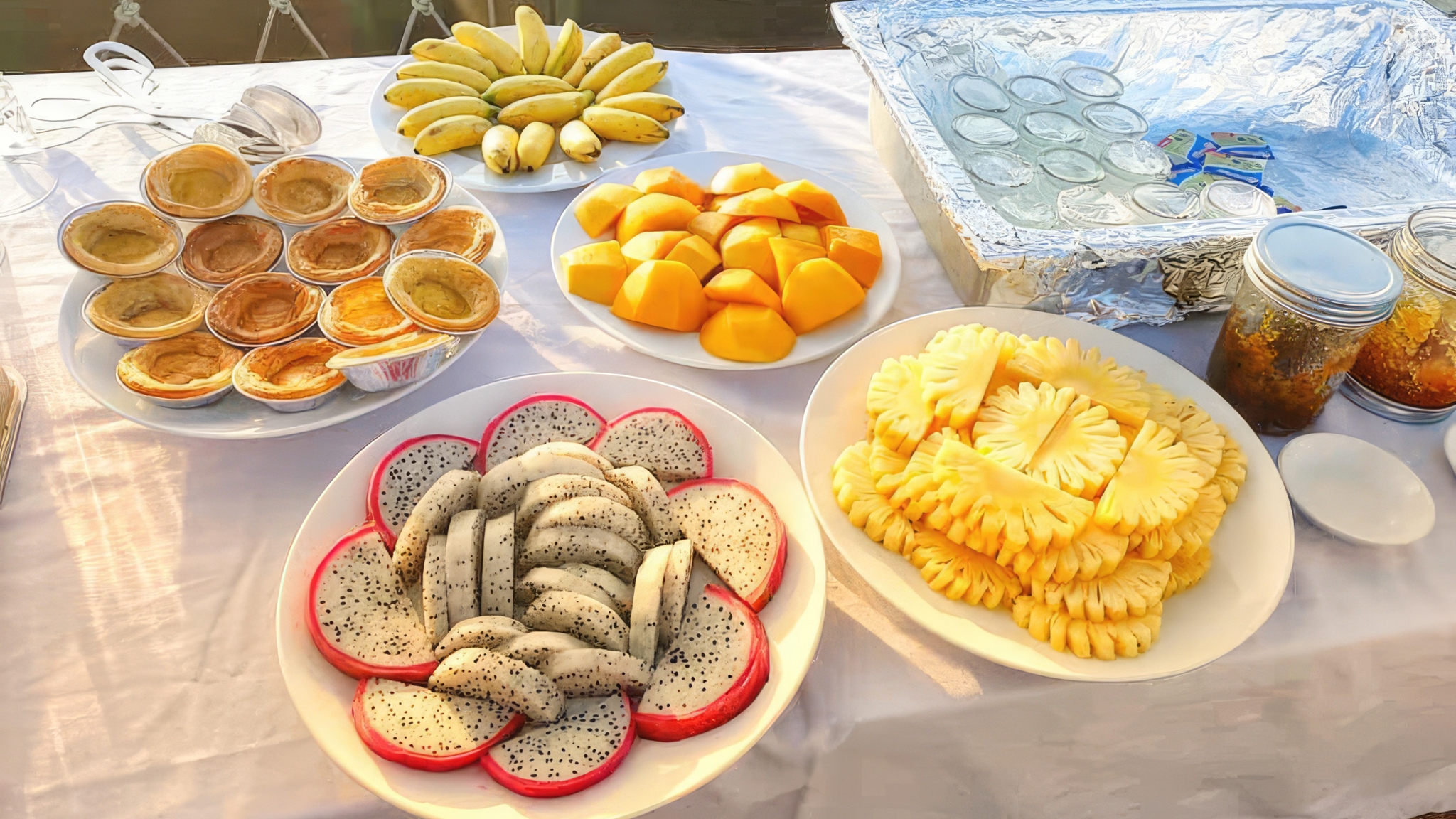
During a cruise, travelers can sample regional specialties such as Hu Tieu noodle soup and a variety of tropical fruits harvested from nearby orchards, such as rambutans, mangoes, pineapples, and more. Whether enjoyed during onboard dining or floating market visits, Mekong cuisine offers another meaningful way to connect with the culture and daily life of the delta.
Typical One-Day Can Tho Mekong Cruise Itinerary
Here’s a classic one-day itinerary you can expect during a Mekong cruise stop in Can Tho.
| Time | Experience |
| 7:00 AM | Step aboard a small sampan to the Cai Rang floating market |
| 7:30 – 8:00 AM | Weaves through clusters of colorful boats piled high with colorful local products Taste freshly cut tropical fruits right on the water Visit a noodle workshop and learn how local Mekong noodles are made |
| 8:30 – 9:00 AM | Back on board, a brunch is served as the cruise slowly departs (if breakfast is not served before the floating market visit) Continue the cruise journey toward destinations, such as Chau Doc or Tan Chau. |
Note: Activities and timings may vary depending on the cruise line and itinerary

Best Time to Visit Can Tho on a Mekong Cruise
The best time to visit Can Tho on a Mekong cruise depends on the type of experience you’re looking for, as it has two seasons with different characteristics.
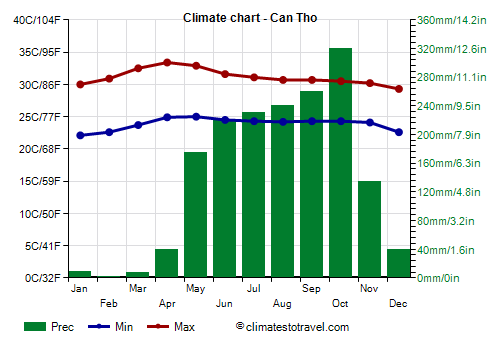
Can Tho temperature & rainfall (Image:climatestotravel)
Dry Season (October – April)
- Ideal for: First-time visitors who prefer stable weather and smoother journeys
This is considered the best time to cruise through Can Tho, with warm daytime temperatures ranging from 25 to 32°C (77 to 90°F). The weather is generally dry, sunny, and less humid, creating comfortable conditions for outdoor excursions. Rainfall is relatively low during these months, especially between December and February, with cooler mornings and clearer skies.
The calmer river conditions and better visibility also enhance the overall cruising experience, whether sightseeing or relaxing on the sundeck.
Green Season (August – November)
- Ideal for: Travelers seeking a more immersive and less-touristy Mekong experience
Often considered the Mekong’s second-best time to visit, this green season reveals a more atmospheric side of the river. As water levels rise, canals and waterways expand deep into the delta, allowing boats to access smaller channels and more remote areas hardly reached during drier months. The entire landscape transforms into a lush, vibrant “water world,” with overflowing greenery, flooded forests, and reflections shimmering across the river, creating breathtaking scenes.
While short tropical showers are more common during this period, they are usually brief and followed by clear skies. Travelers during the rainy season should simply prepare for higher humidity and occasional weather changes throughout the day.
Travel Tips for Visiting Can Tho by Cruise
A little preparation goes a long way when cruising through Can Tho, helping you stay comfortable while enjoying this journey.
- Heading out before 7:00 AM for the floating market, as the most vibrant trading activities usually happen shortly after sunrise
- Lightweight and breathable clothing is recommended due to the Mekong’s warm, humid climate, especially during sampan rides and village excursions
- Travelers should also bring sunscreen, hats, sunglasses, and insect repellent for added comfort throughout the day
- Carrying small cash in VND can be useful for buying local snacks, fruits, or handmade products
More than just a stop along the river, Can Tho is often the emotional heart of a Mekong cruise journey. It is a fast-developing city that still remains deeply connected to its waterways and local traditions. The lively atmosphere along the riverfront, the warmth of residents, and the constant movement of boats, markets, and daily life together create an energy that feels both vibrant and unmistakably Mekong.
For travelers seeking a deeper cultural experience beyond traditional sightseeing, a Mekong Delta cruise through Can Tho remains one of the most immersive ways to discover southern Vietnam.

FAQ
1. Is Cai Rang Floating Market still worth visiting?
Yes, but it’s important to set the right expectations. While the floating market is not as crowded or photogenic as some viral images online, it still offers one of the most authentic glimpses into traditional river trading culture on the Mekong River. The best experience comes from visiting early, ideally before 7:00 AM, when trading activities are most active.
2. How long do Mekong cruises stay in Can Tho?
Most Mekong cruises include Can Tho as a one-day stop, usually focused on early-morning floating market visits and nearby excursions. Some luxury cruises may also offer an overnight stay in the area.
3. Can I visit Can Tho without a cruise?
Absolutely. Many travelers explore Can Tho independently by staying at a hotel in the city and booking half-day tours to explore the floating market. This also allows time to discover local attractions such as Ninh Kieu Wharf and the riverside night atmosphere.
4. What type of boat is used for Can Tho excursions?
Most cruise excursions use small traditional sampans or motorboats carrying around 15 - 20 guests.
5. Can I buy local products at the floating market?
Yes. Visitors can purchase local fruits, drinks, snacks, and handmade products directly from market boats; using cash is recommended.
Huan Nguyen


