7-Night Cruise Between Vietnam & Cambodia
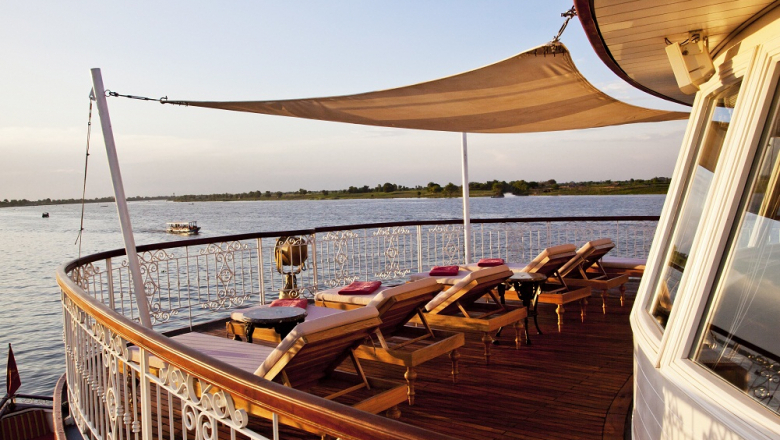
Linked by the mighty Mekong River, Vietnam and Cambodia abound with magnificent carved temples, lush landscapes, and cities…
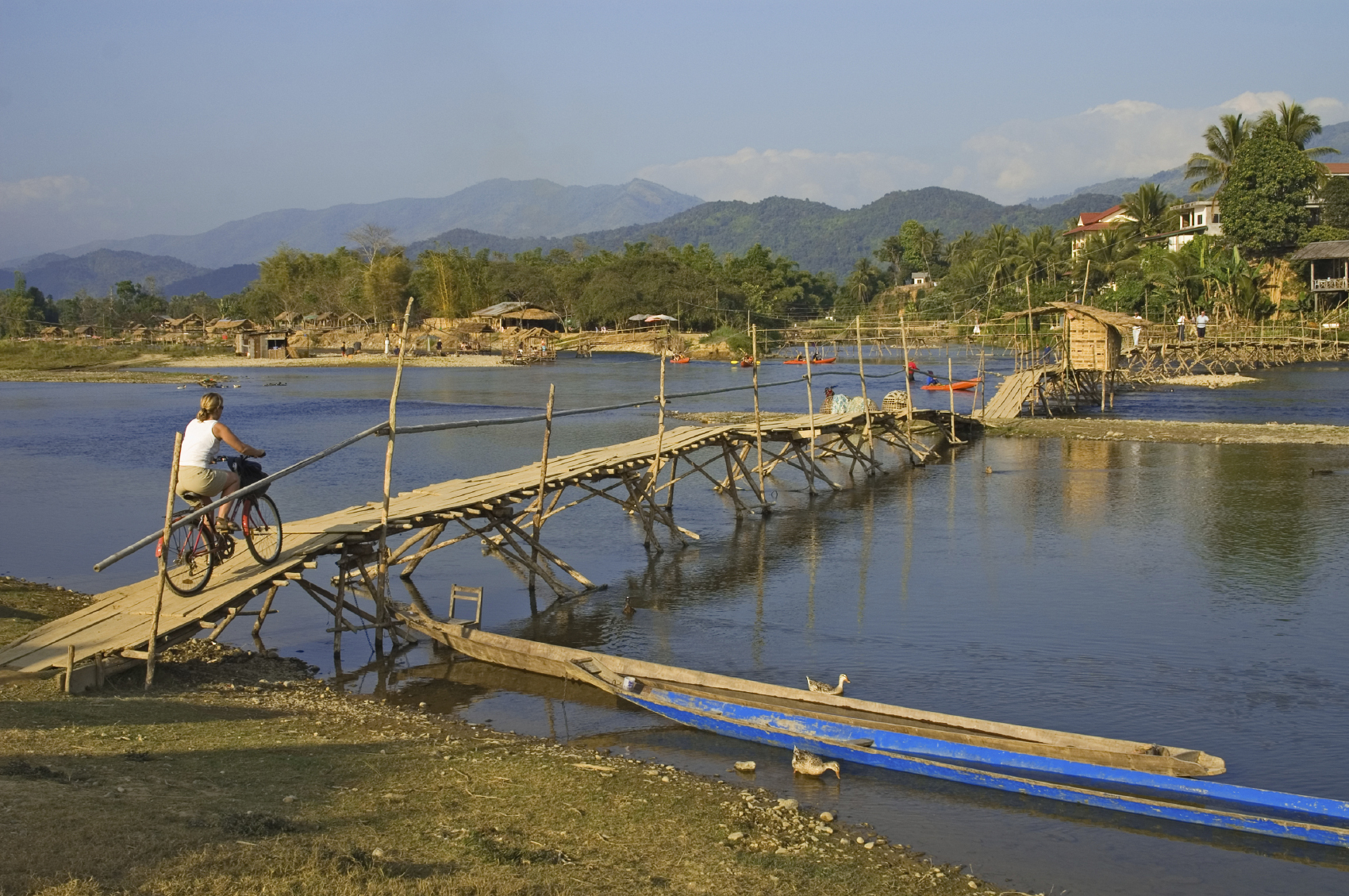
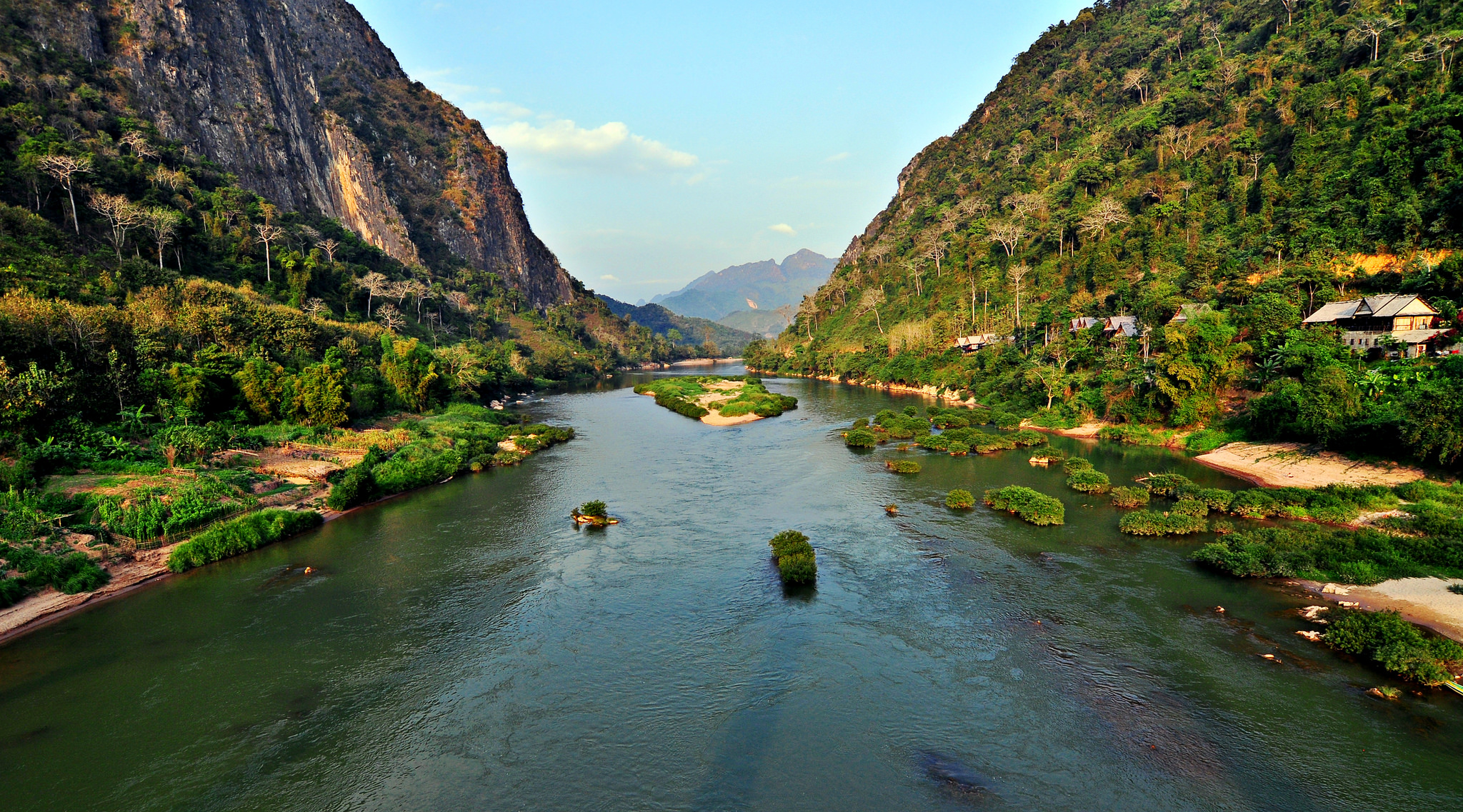
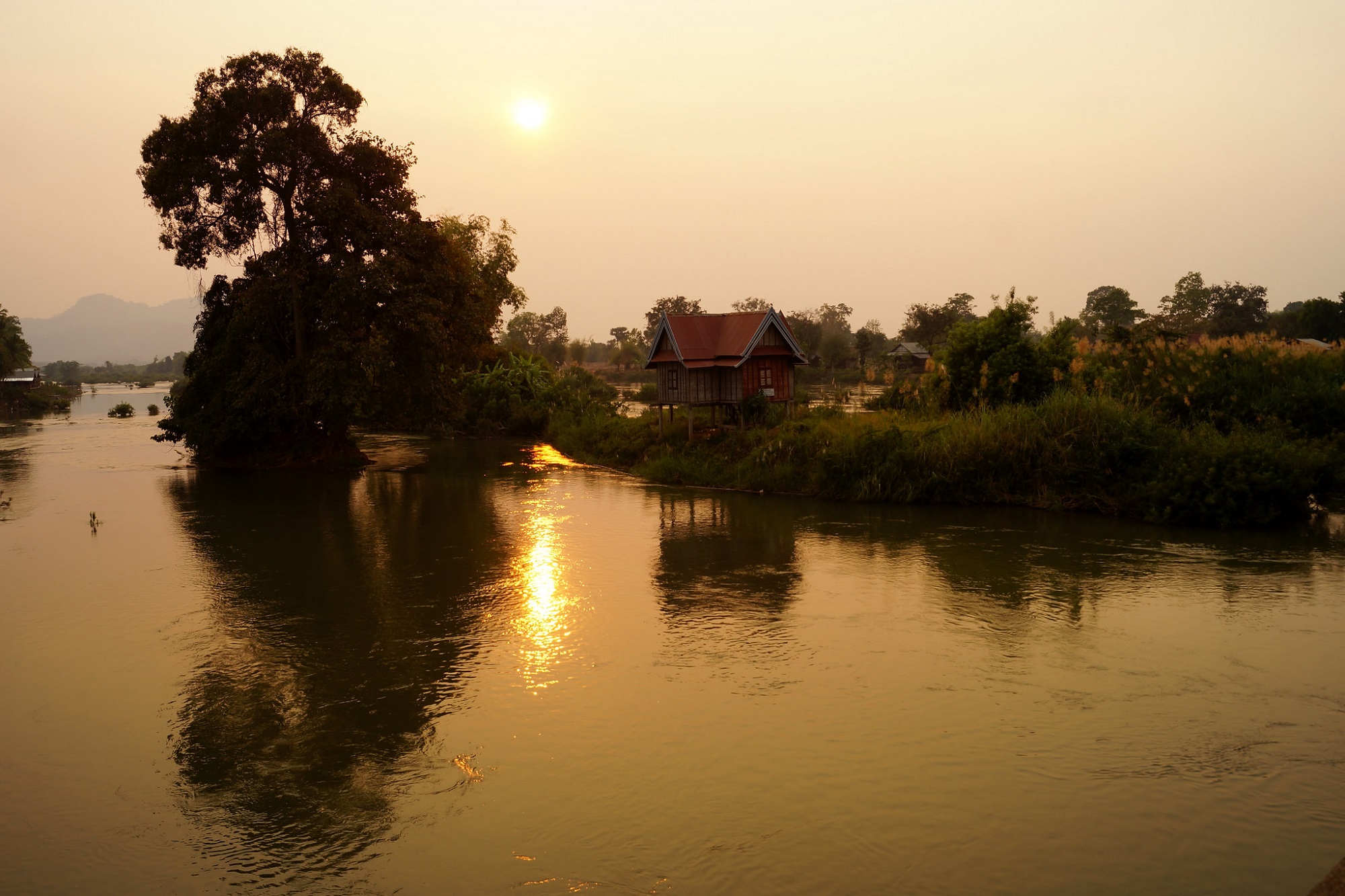
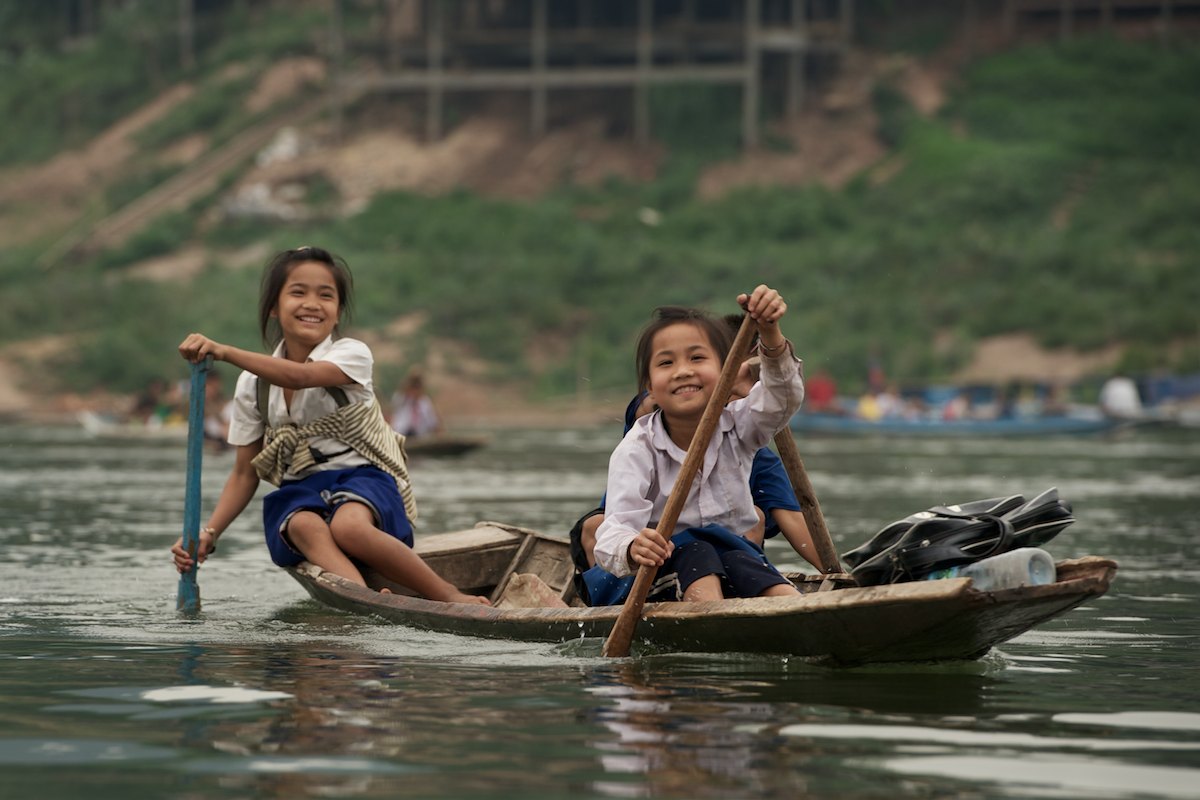
Stretching across six countries: China, Myanmar, Laos, Thailand, Cambodia, and Vietnam, the Mekong River is one of Asia’s most iconic waterways, shaping cultures, communities, and daily life along its banks. Cruising its winding channels offers a unique glimpse into the heart of Southeast Asia. It flows through diverse landscapes and supports one of the world’s richest ecosystems, home to thousands of plant and animal species, including several endangered ones.
A cruise on the Mekong River combines comfort, culture, and authentic local experiences. From floating markets and riverside villages to lush delta scenery and traditional crafts, it offers a deeper connection to life along the river while maintaining a relaxed pace of travel. Here’s everything you need to know for an unforgettable time.
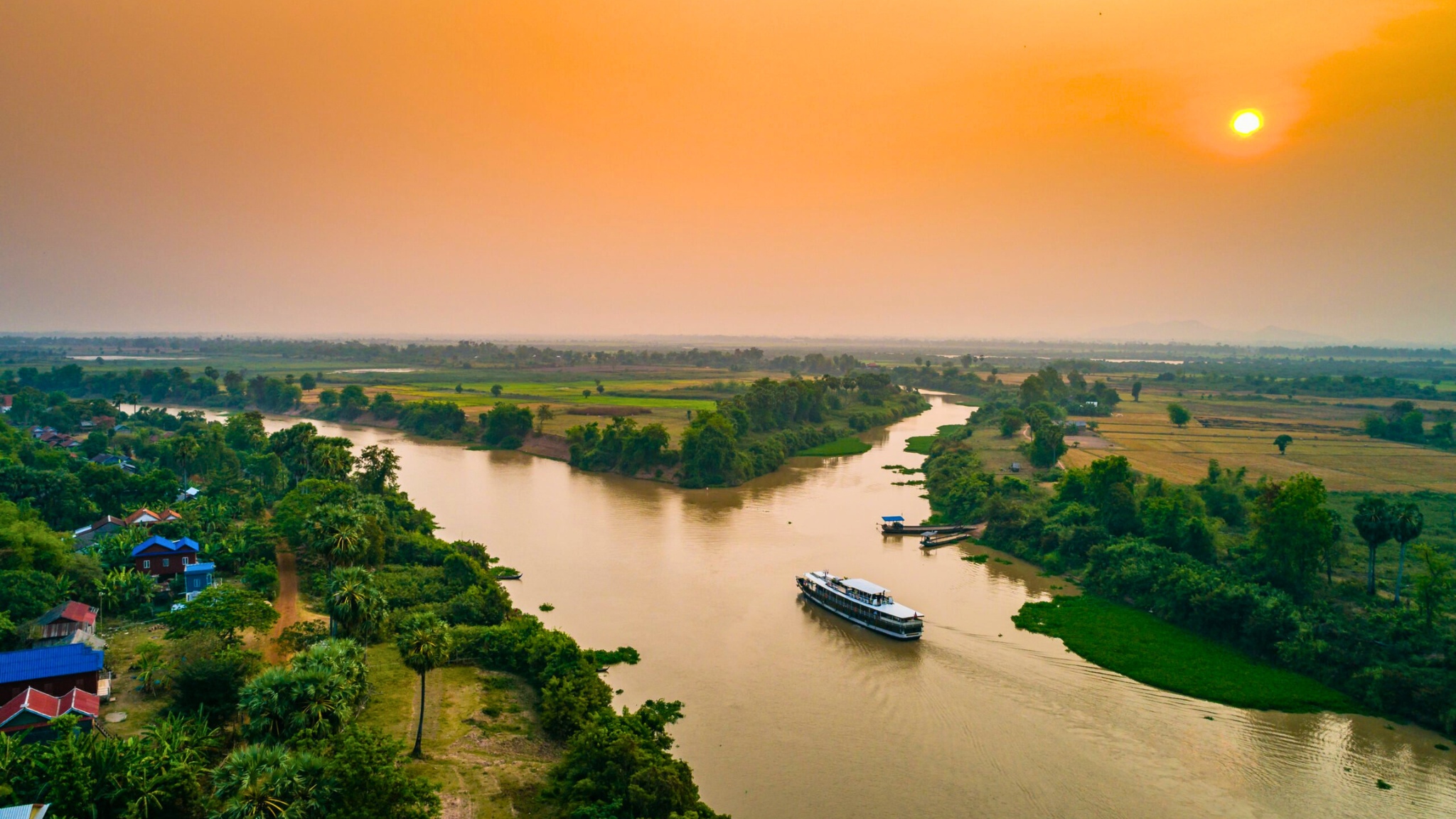
The Mekong River climate is predominantly tropical monsoonal, characterized by distinct wet and dry seasons. It can be enjoyed year-round, but the best time to cruise is typically from November to March, when the weather is pleasant and sunny, and the river’s conditions are most comfortable for travel.
| Preference | Best Time |
| Best weather | December – February |
| Most immersive river experience | October – November |
| Better prices & fewer crowds | March – June |
However, the cruise experience can vary depending on seasonal water levels, which directly influence the routes and onboard/offshore activities.
This is the most popular time to cruise, with cool, dry weather and minimal rainfall, offering the most comfortable conditions for sightseeing and relaxation. While water levels are lower, limiting access to some smaller canals, the landscapes are clearer and easier to appreciate.
Best for: First-time travelers who prioritize good weather and overall comfort.
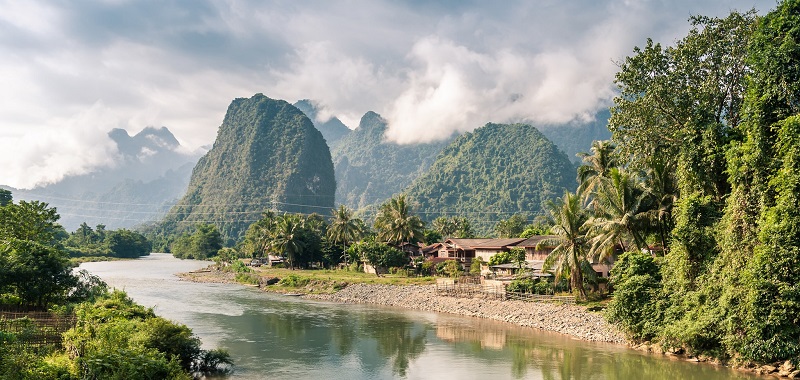
Temperatures rise, and the weather remains mostly dry, though it can feel hotter and more humid. Water levels reach their lowest point of the year, so some smaller routes may be adjusted, but overall cruise operations remain stable.
Best for: Travelers seeking better prices, fewer crowds, and reliable itineraries.
Rainfall becomes more frequent, typically in short, passing showers, while the river begins to rise, bringing the landscape to life with lush, vibrant scenery. As water levels increase, cruises can gradually access smaller canals and more remote areas.
Best for: Travelers seeking natural landscapes and a well-balanced experience.
Water levels reach their peak, allowing boats to navigate deep into narrow canals in the Mekong Delta & Tonle Lake in Cambodia. This is when river life feels most vivid, with floating villages and locals’ daily routines fully on display.
Best for: Travelers seeking the most authentic Mekong experience and nice weather.
Each month brings subtle changes in water levels, scenery, and local life along the Mekong, shaping a different cruising experience throughout the year. Below’s a quick overview to help you compare.
| Month | Avg. Temp (°C) | Rainfall | River Level | Travel Note |
|---|---|---|---|---|
| Jan | 22–32 | Very low | Low | Best weather; cool, dry, and comfortable; excellent for sightseeing |
| Feb | 23–33 | Very low | Low | Warm days, little rain, and pleasant cruising conditions |
| Mar | 24–34 | Low | Low | Increasing temperatures with mostly dry weather; great for outdoor activities |
| Apr | 26–36 | Low–Moderate | Low | Hotter days; ideal for early-morning excursions and relaxing onboard |
| May | 26–34 | Moderate–High | Low | Rainy season begins; short showers are common but often followed by sunshine |
| Jun | 26–33 | High | Rising | Occasional shower rain and thunderstorms; lush riverside scenery |
| Jul | 23–33 | High | Rising | Humid with tropical downpours followed by clear skies rather than all-day rain |
| Aug | 24–33 | High | Rising | Heavy showers possible; higher water levels can improve navigation |
| Sep | 25–32 | Very high | High | Shoulder season with lush green landscapes, occasional heavy showers, and high river levels |
| Oct | 24–32 | High–Moderate | High | Rain gradually decreases; high water offers smoother navigation on some routes |
| Nov | 23–31 | Moderate–Low | Falling | Transition to dry season; comfortable weather and good cruising conditions |
| Dec | 21–31 | Low | Low | Dry, comfortable and ideal for cruising, sightseeing and outdoor activities |
Visa requirements for a Mekong River cruise are generally straightforward, but they vary depending on your route, especially for cross-border journeys.
Visa requirements for a Mekong River cruise are generally straightforward, though they may vary depending on your itinerary, especially for cross-border journeys. Preparing the necessary documents in advance will help ensure a smooth and hassle-free travel experience.
What to prepare
Before your trip, make sure you have the following essential documents ready.
How to apply
All four countries offer both E-visa and Visa on Arrival (VOA) options; however, applying for an E-visa is highly recommended, as it allows for a smoother entry process without the need to visit an embassy.


However, for the river border crossing from Vietnam to Cambodia, e-visa will not be available. Most Mekong cruises will assist their guests with visa arrangements in this situation.
Here is detailed information on how to apply for a visa for each country.
If arriving at an international airport
You can check your nationality and specific visa requirements via vietnam-visa.com/. If your nationality is visa-exempt, no application is needed.
If a visa is required, it is highly recommended to apply for an e-visa online by following these simple steps:
If arriving via the river border (downstream from Cambodia to Vietnam)
All travelers must have a valid Vietnam e-visa arranged in advance (either done by themselves or through a travel company), as a visa on arrival is not available at river border crossings from Cambodia to Vietnam.
If arriving at an international airport
You can apply for a Cambodia e-visa at https://www.evisa.gov.kh, follow the same steps as applying for a Vietnam E-visa. The fee will vary depending on the nationality & length of stay.
If arriving via the river border (upstream from Vietnam to Cambodia)
The Cambodia visa for the cruise from Vietnam to Cambodia must be obtained upon arrival at the border ( E-visa is not available). Most Mekong cruises will assist with visa-on-arrival arrangements in this case, ensuring a smooth, hassle-free process for travelers.
Travelers have to prepare the following documents (required) on the cruise:
You can get a Laos e-visa online at laoevisa.gov.la/index within 3-5 working days.
At the Thai-Lao river border, e-visas and visas-on-arrival are both available. Travelers can prepare them in advance, or the cruise can help with the visa-on-arrival application with an extra fee.
Thailand has a visa exemption for around 93 countries. You can check the availability at https://www.thaievisa.go.th/ (fill in your nationality, and the number of days of stay will show information).
If you still need an E-visa to visit Thailand, please contact us.
Note: This information is for reference only; please check with your local embassy for the most up-to-date visa requirements.
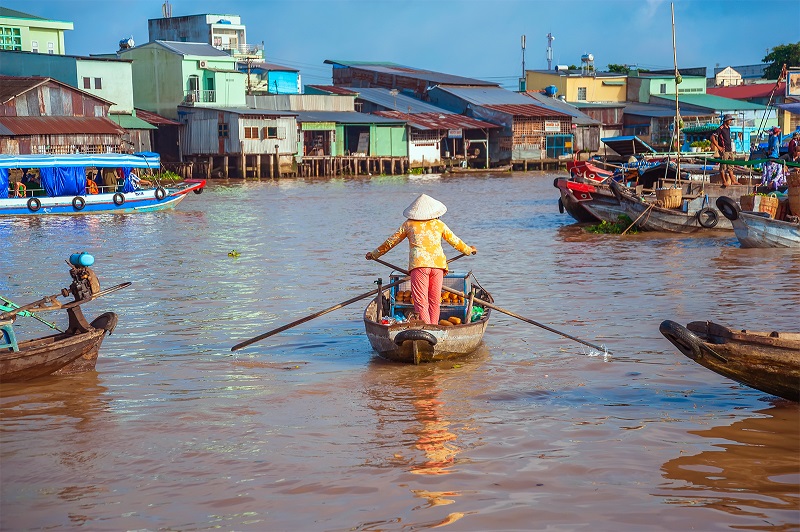
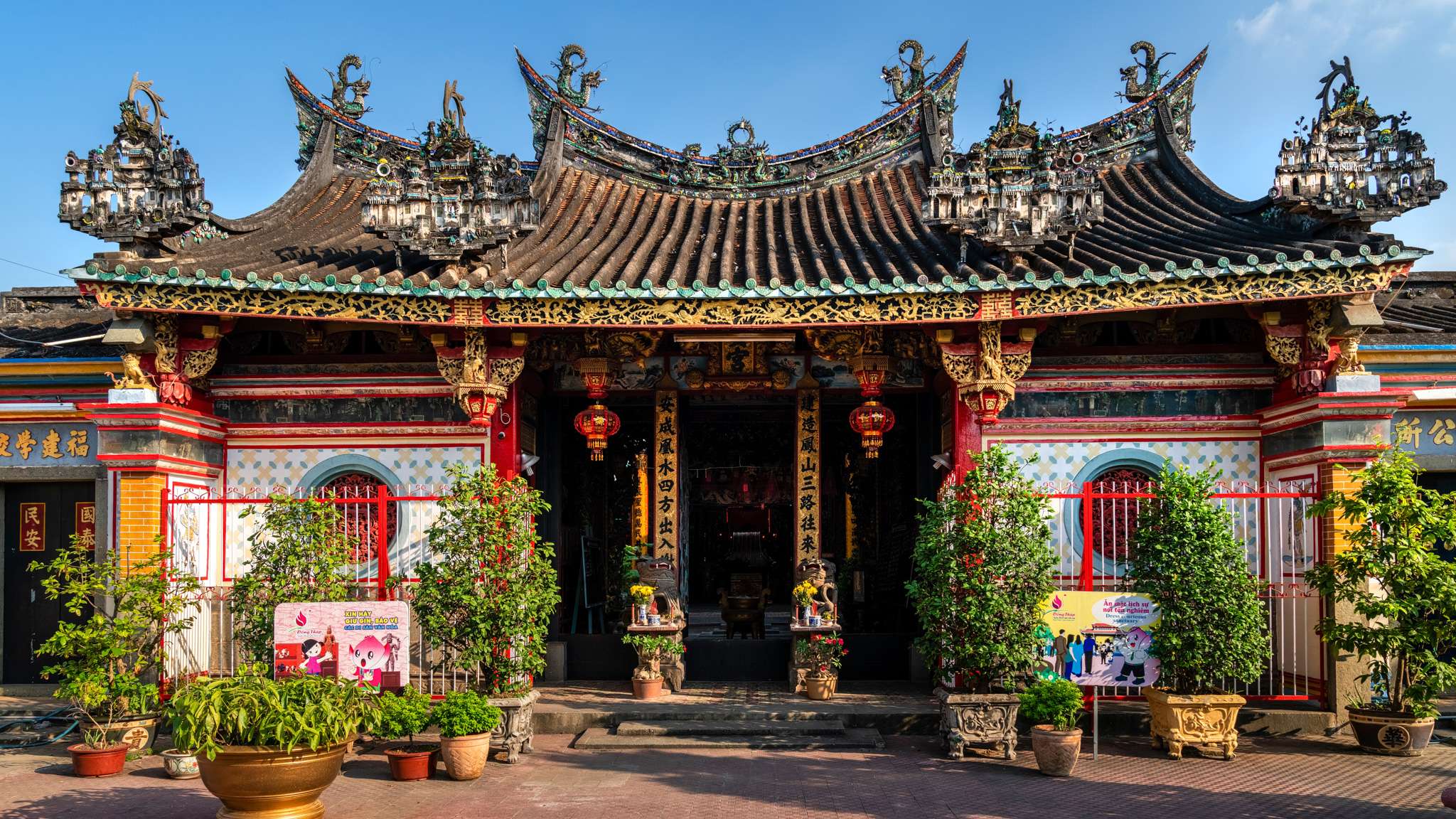
Vietnam
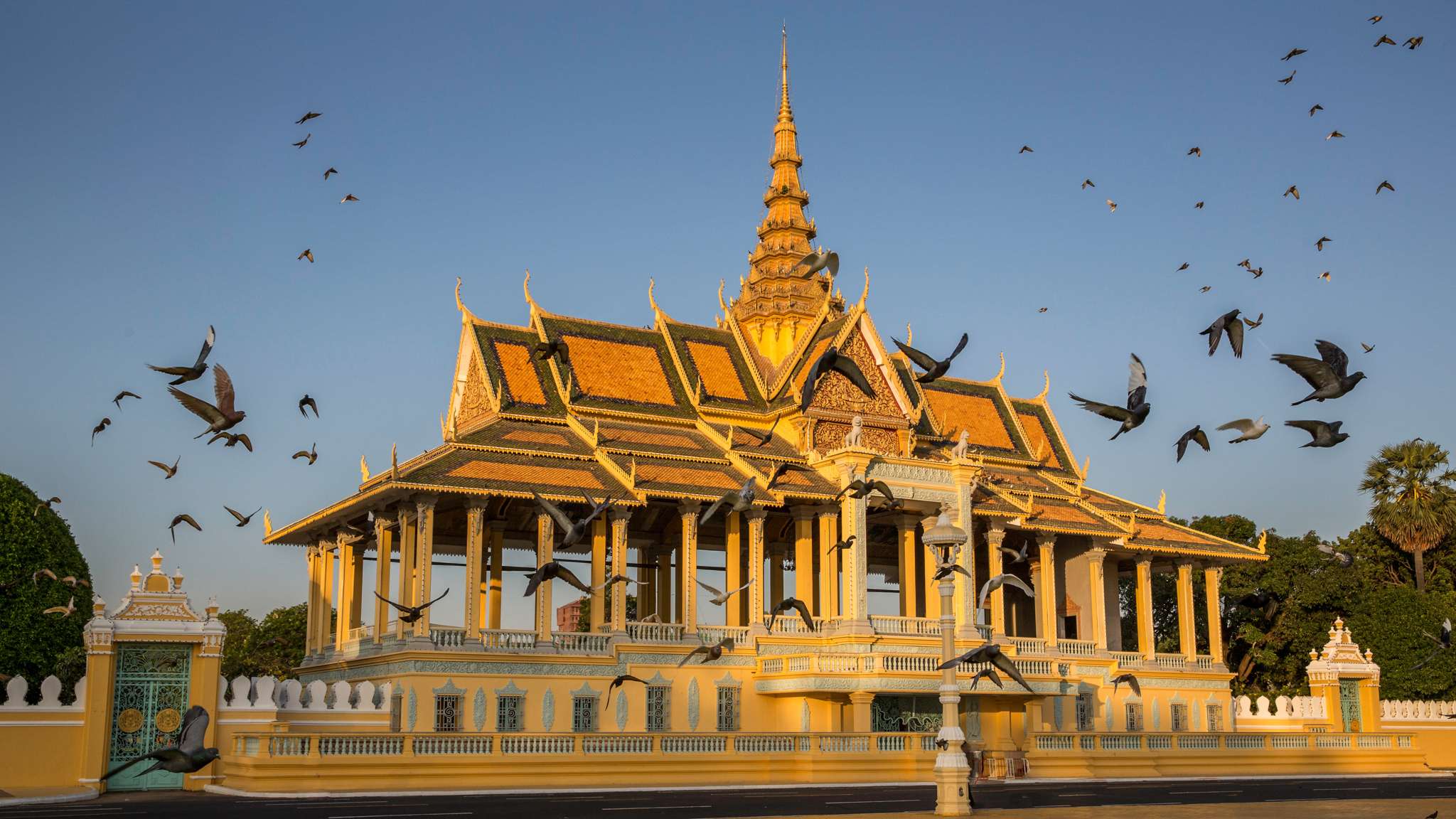
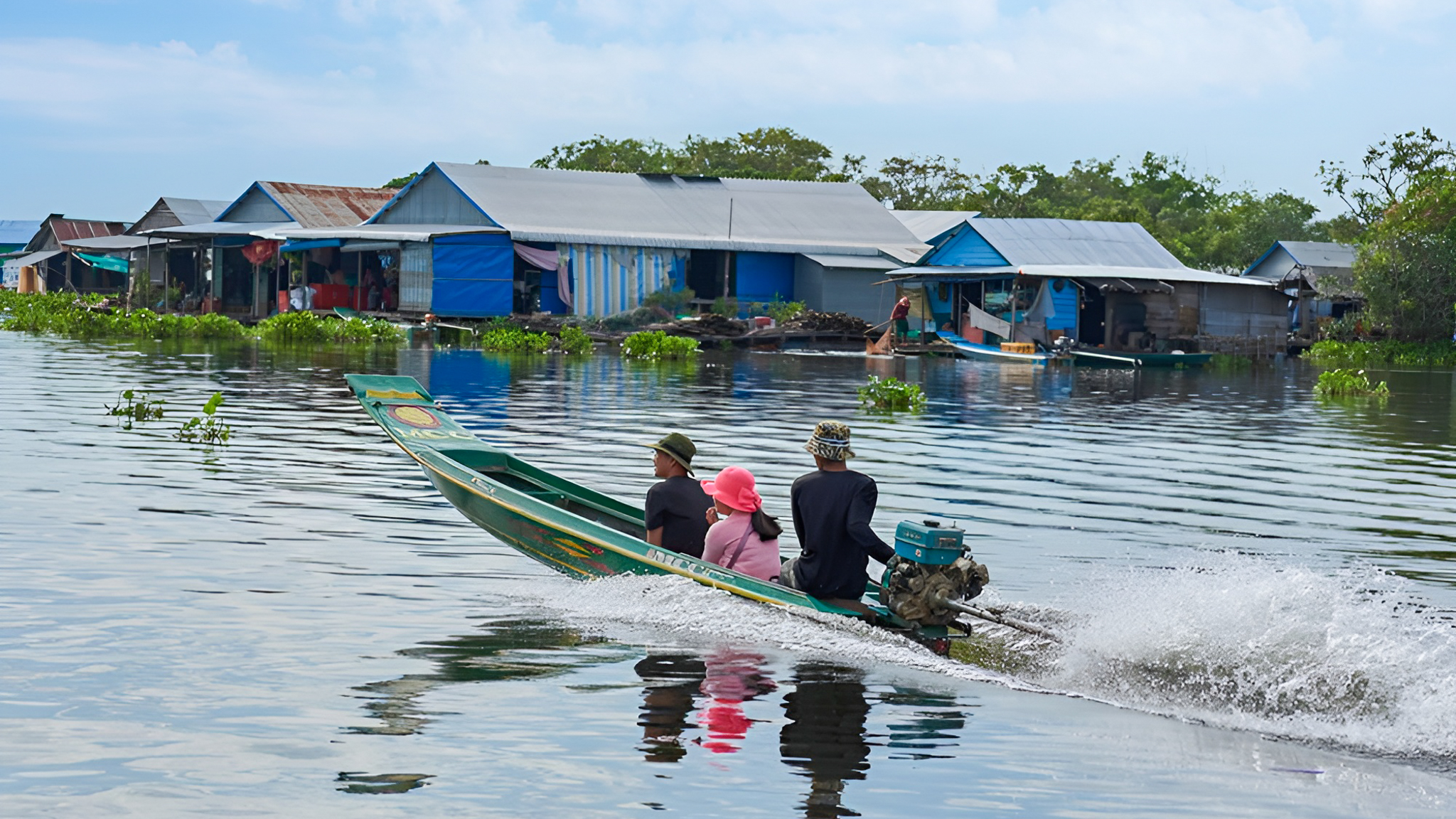
Cambodia
Laos
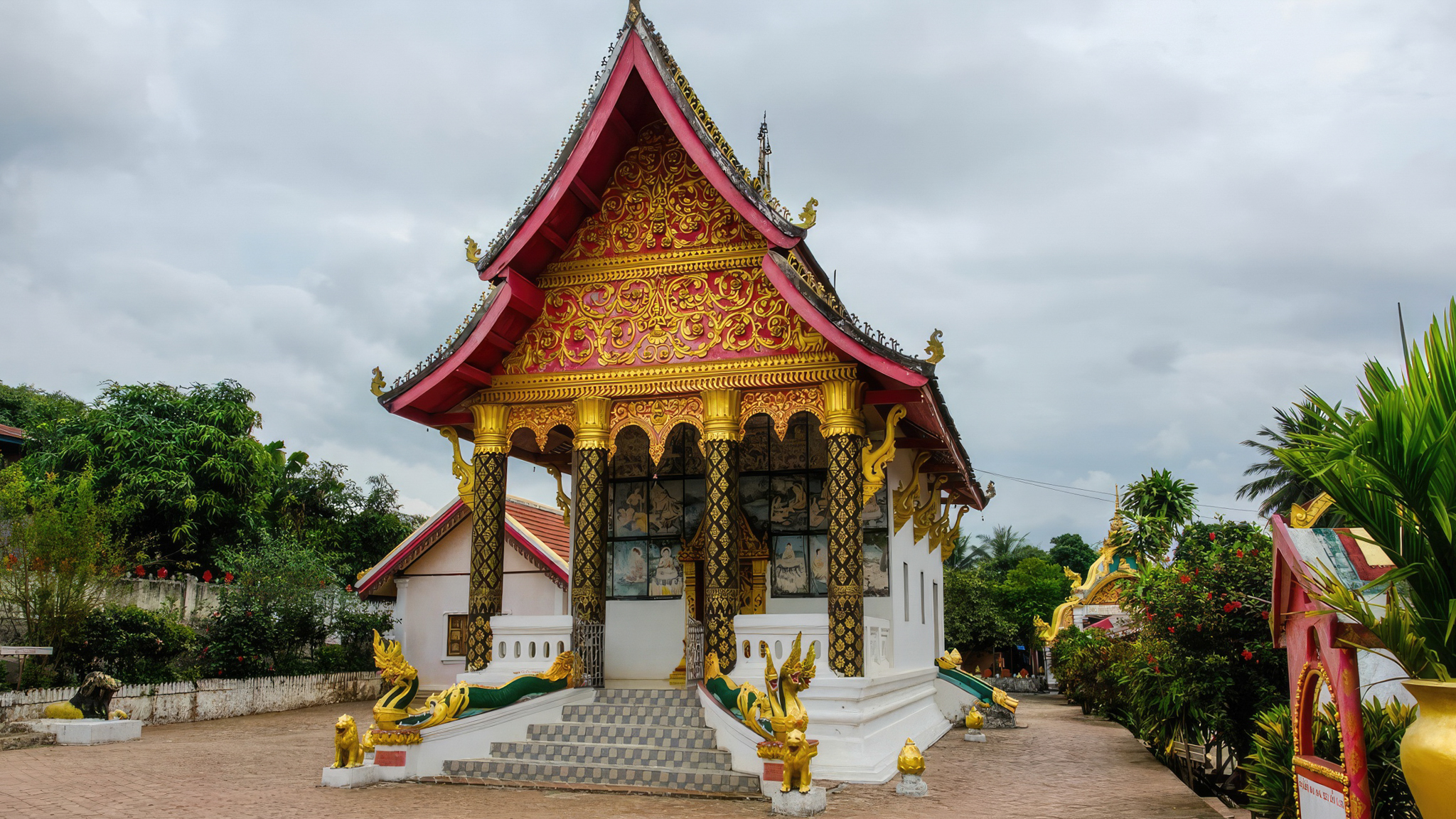
As you embark on your Mekong River cruise, you will be able to experience many highlights that the Mekong River has to offer. Here are some of the most not-to-be-missed activities on your cruise trip.
Exploring river life and local communities
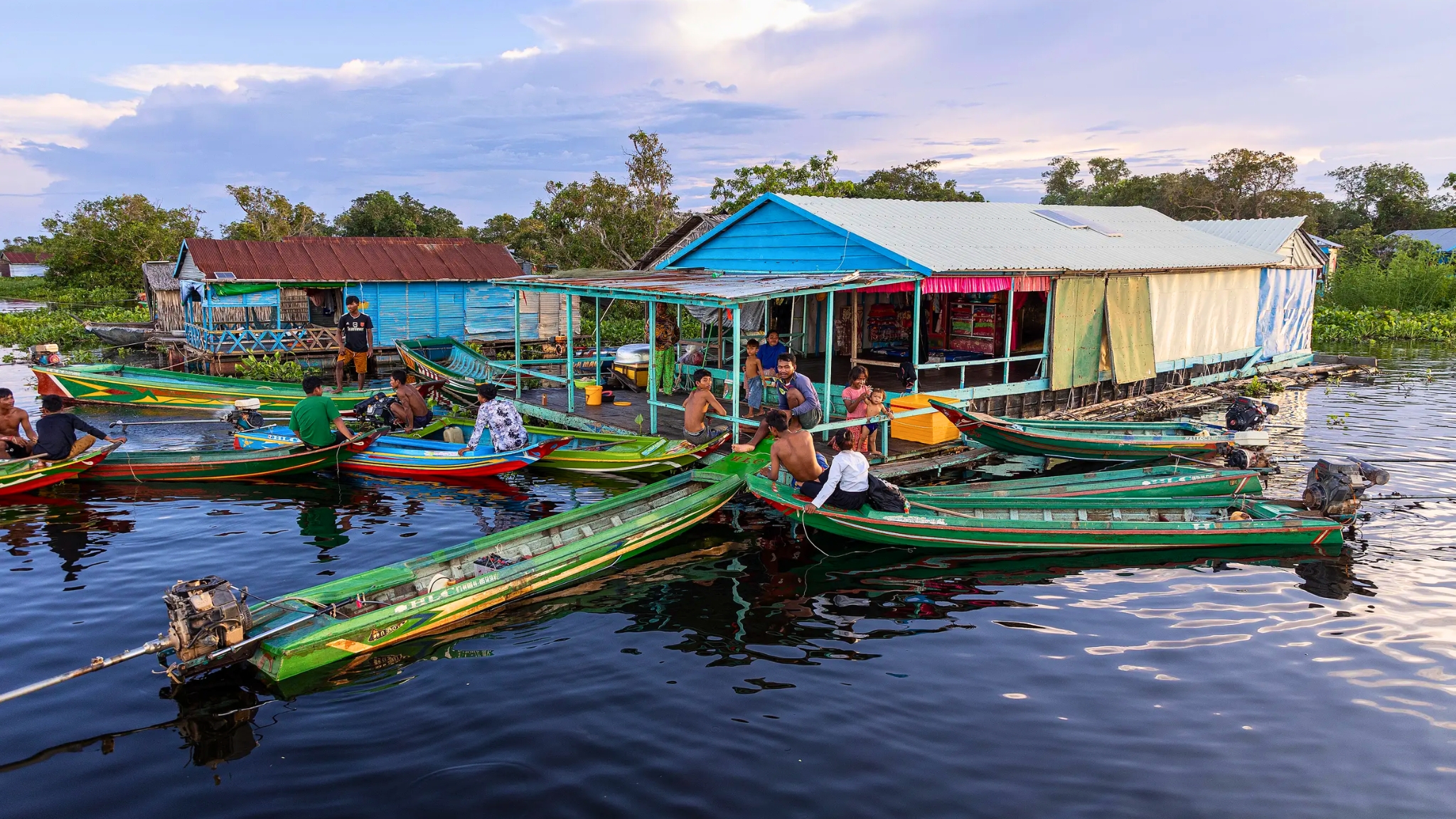
The Mekong offers a vivid glimpse into daily life shaped by the water, from bustling floating markets in the Mekong Delta to the unique floating villages on Tonle Sap Lake. Travelers can also cruise through narrow canals and coconut groves by small sampan, experiencing the river up close in a quiet, immersive way.
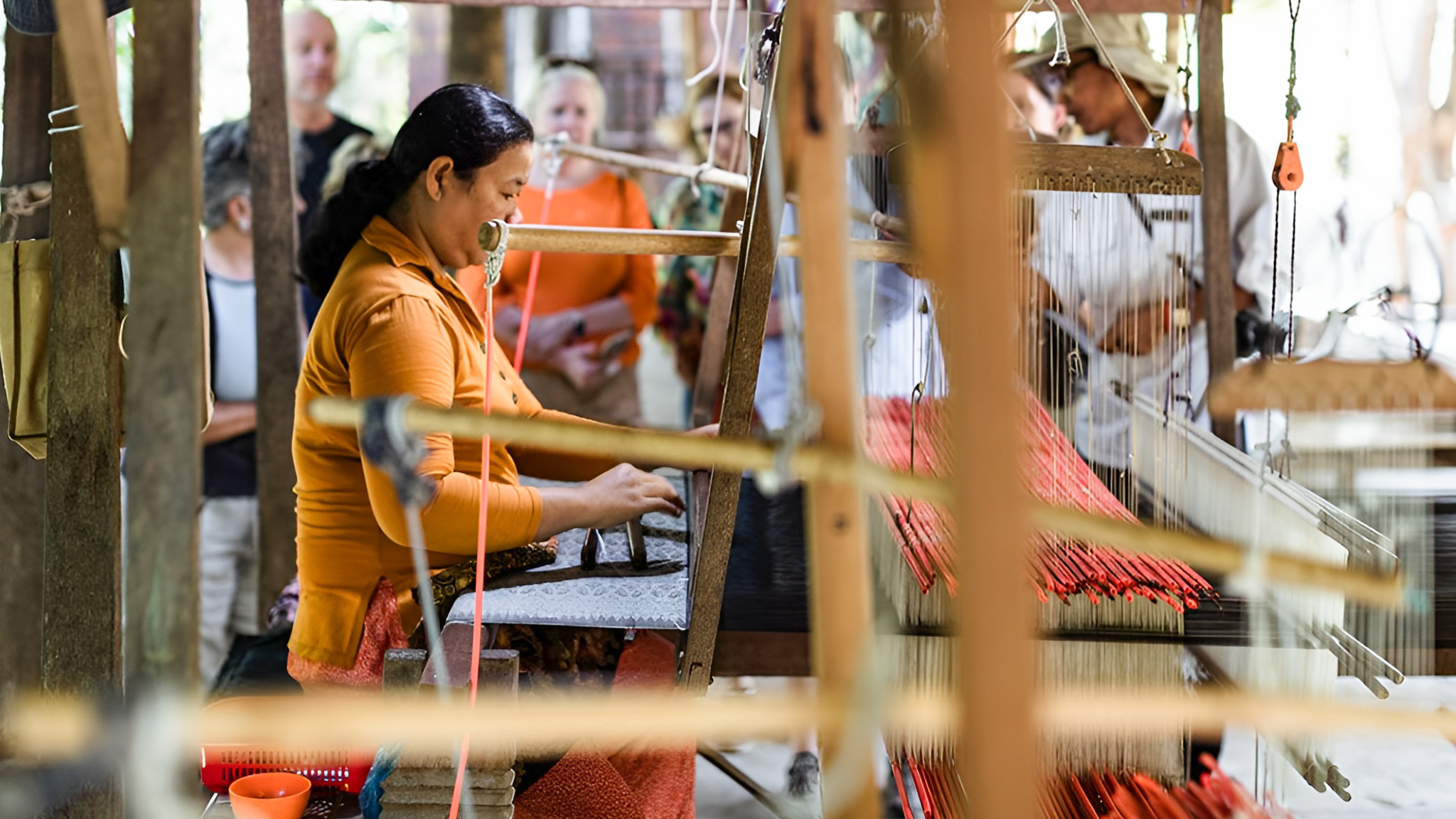
Visiting traditional craft villages
A journey along the Mekong reveals centuries-old traditions through visits to local workshops and villages. Here, you can see how coconut candy and rice paper are made, or explore communities known for pottery, silk weaving, and other handcrafted goods. How about making the product yourself with the help of the experienced artisans?
Unique local experiences
Beyond sightseeing, the Mekong invites you to take part in everyday local life in simple yet memorable ways. Ride a “tuk-tuk” through quiet villages, travel by horse cart across the serene Cambodian countryside, or try hands-on activities like grating coconut and making traditional rice paper - small moments that make the journey feel truly authentic.
Cultural and spiritual discoveries
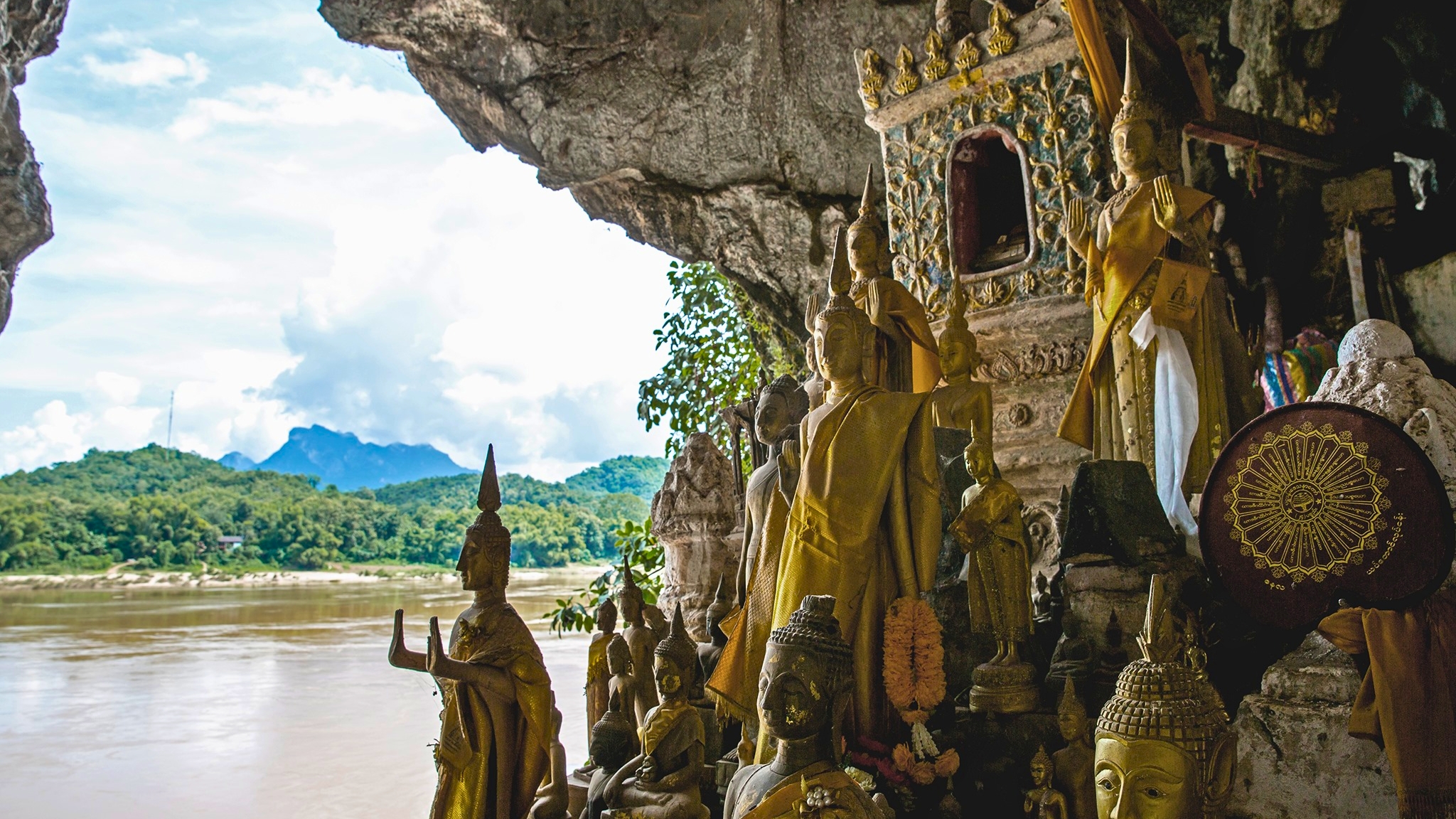
The Mekong journey also reveals a rich spiritual side, from visiting majestic Khmer temples in Cambodia to witnessing sacred traditions in Luang Prabang, such as the Baci ceremony and early-morning almsgiving. Along the way, stops like the Pak Ou Caves, home to thousands of Buddha statues, offer a deeper connection to the region’s religious heritage.
Visiting iconic landmarks
Each stop brings you closer to the Mekong’s most iconic sites, from the grand Royal Palace and Silver Pagoda in Cambodia to the elegant Wat Xieng Thong in Laos. In the Mekong Delta, places like Huynh Thuy Le Ancient House offer a more intimate glimpse into local history and architecture.
Exploring history and culture
Beyond the surface, the journey also touches on deeper historical narratives, with visits to sites such as the Killing Fields and Tuol Sleng Genocide Museum. Guided insights and local stories along the way help bring context to the region’s past, offering a more meaningful understanding of its culture today.
Cultural and culinary experiences
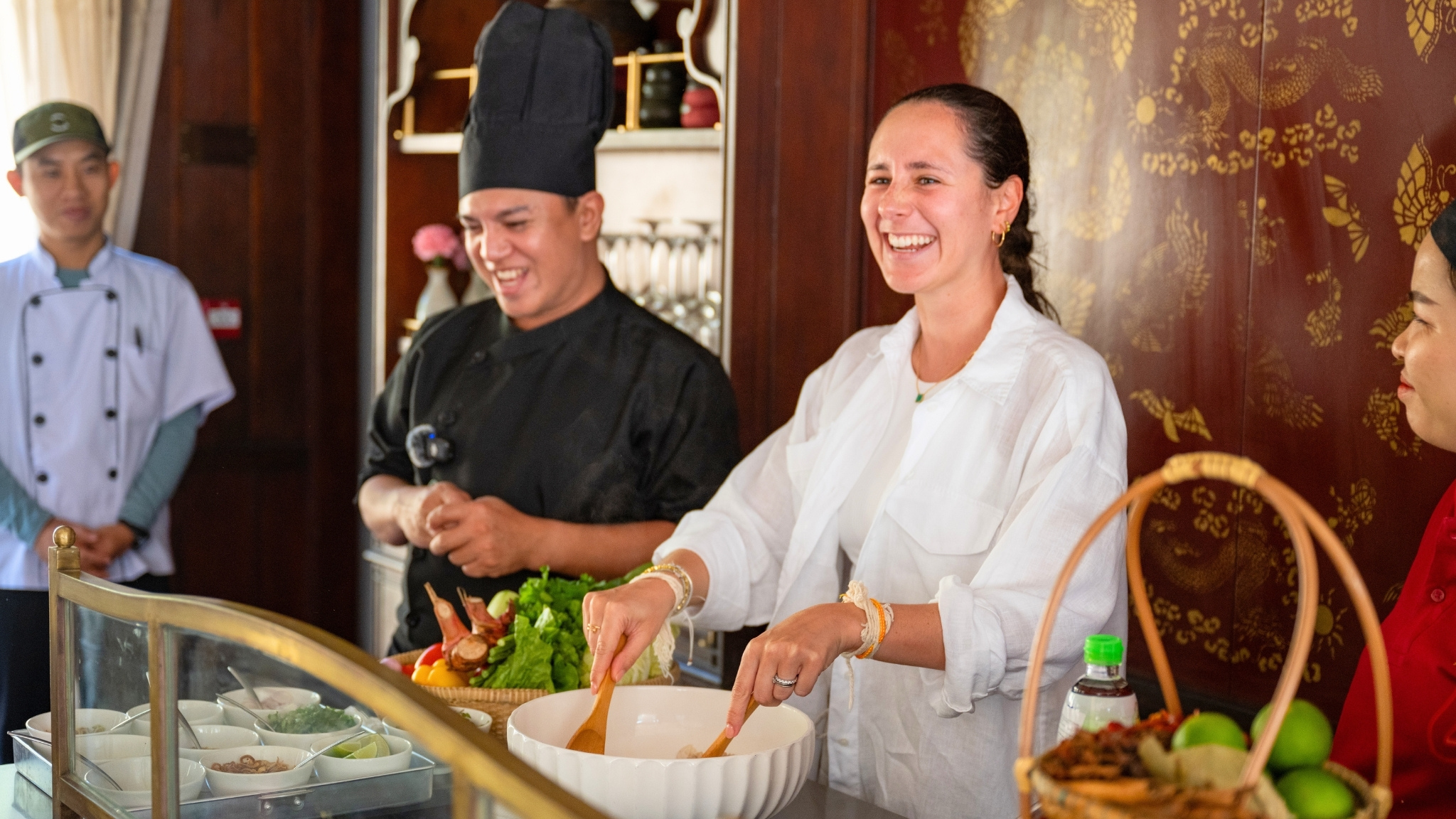
Life onboard is enriched with cultural touches, from joining cooking classes to discover regional flavors to enjoying a mix of local and international cuisine. Evenings often come alive with traditional performances like the Apsara dance, the Lion dance, etc.
Entertainment and learning
Beyond relaxation, cruises also offer opportunities to learn more about the destinations ahead. Guests can watch documentaries about Mekong life, listen to insightful talks from local guides, and gain a deeper understanding of the culture, history, and communities along the river.
Relaxation and wellness
For those seeking a slower pace, onboard facilities are designed for comfort and well-being. Start your day actively with Tai Chi on the sundeck, unwind with spa and massage treatments on luxury ships, or simply relax with a book or soak in the jacuzzi while the river drifts by.
A Mekong River tour is a unique journey that requires a bit more planning than typical trips, especially due to fixed schedules and varying local conditions. Keeping a few practical tips in mind will help ensure a smooth and enjoyable experience from start to finish.
What to Pack
To stay comfortable throughout your journey, it’s best to pack light while bringing along a few essentials suited for the Mekong’s tropical conditions.
Currency & Payment
Cash is still widely used along the Mekong, especially in rural areas. In Vietnam, the Vietnamese Dong is standard; in Cambodia, US dollars are widely accepted; and in Laos, the Lao Kip is the official currency.
Credit cards may be used on 5-star cruise ships, but it’s best to carry small cash for local purchases and tips.
Health & Safety
Traveling along the Mekong River is generally safe and comfortable, especially on well-operated cruises. However, a little preparation will help ensure a smooth journey.
SIM & Connectivity
Wi-Fi on board may be limited or unstable, especially in remote areas. For more reliable connectivity, it’s recommended to purchase a local SIM card before departure or upon arrival.
You can easily buy SIM cards at international airports, convenience stores, or official mobile provider shops in Vietnam, Cambodia, and Laos. Popular providers include Viettel and Vinaphone (Vietnam), Cellcard and Smart (Cambodia), and Unitel or LaoTel (Laos).
If your cruise crosses borders, consider choosing a regional SIM or eSIM plan that covers multiple countries to stay connected throughout your journey.
Local Customs
Respect local culture by dressing modestly, particularly when visiting temples or rural communities. Simple gestures like removing shoes before entering homes or religious sites and asking before taking photos are appreciated and help create more meaningful interactions.
Start planning your Mekong journey with our latest travel tips, itineraries, and insider guides.
Linked by the mighty Mekong River, Vietnam and Cambodia abound with magnificent carved temples, lush landscapes, and cities…
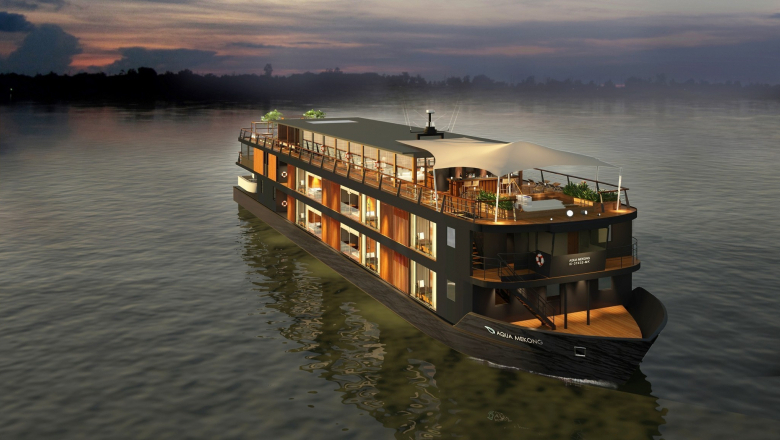
River cruising is the in-vogue travel trend. As Indochina grows in popularity as a tourism destination, exciting…
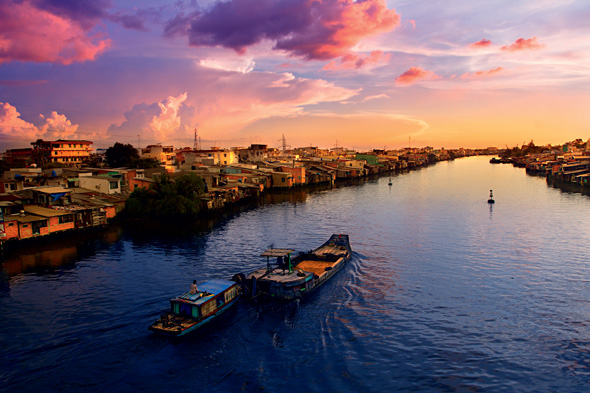
Mekong River life is nothing…
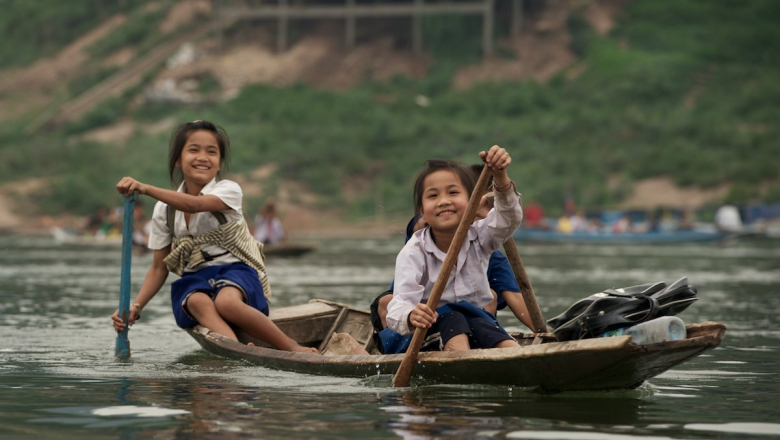
Originating high in the Tibetan Plateau, the Mekong River is the life-blood of activity throughout the history of Southeast…